A half-day float sounds like the easiest outing you can plan. Park a car, drop in a tube, drift for a few hours. Then you're standing at the put-in arguing about which bend the take-out was on, and the shuttle alone has eaten an hour of your afternoon. The river doesn't care about your schedule, but the logistics do. Getting them right takes about twenty minutes of thinking before anyone inflates anything.
Pick the Take-Out Before the Put-In
Most people plan a float from the top down. They find a good swimming hole or a friendly boat ramp and work downstream from there. Do it the other way around. The exit is the fixed point, and it decides everything else: how long you'll be on the water, how hard the shuttle is, and whether you finish on a gravel bar or scrambling up a muddy bank at dusk.
Open a river map or a paddling app that shows public access points, then mark every one along the stretch you're considering. Note the mileage between them. Access-to-access distances are usually labeled on paddling maps; if they aren't, measure along the channel rather than the road, because roads cut corners the river doesn't.
Aim to be on the water for two to four hours. On gentle current, that usually works out to somewhere between three and five river miles, so use that as your starting range and adjust once you've talked to someone who knows the water.
Run the Shuttle Before Anyone Gets Wet
Two cars, one direction. The trick is doing the driving first, while everyone is still dry and patient.
- Drive both vehicles to the take-out first. Leave one car there, empty and locked, with everything you won't need on the river.
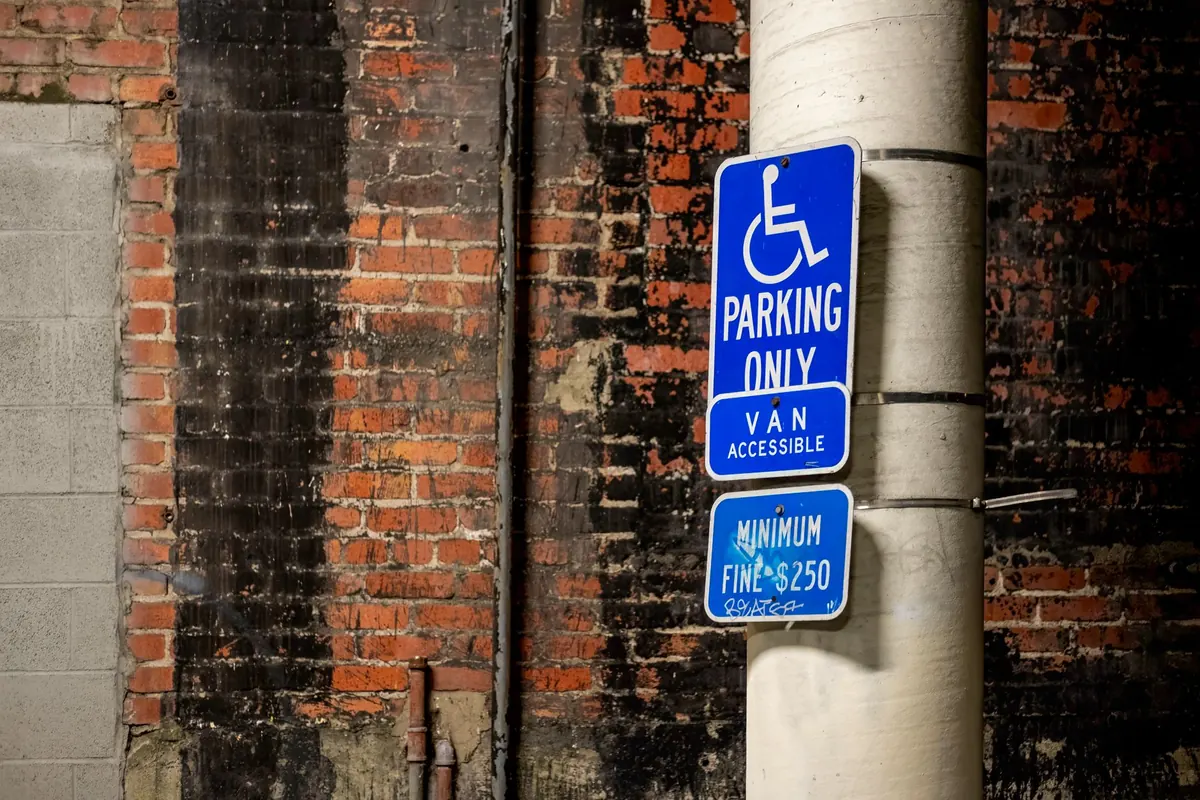
- Park legally. Read the signs. Some access lots allow day use only, some need a permit, and some tow after dark. A thirty-second look at the signboard saves an unpleasant evening.
- Pin the spot. Save the location on your phone and take a photo of the parking area and any landmark that will be visible from the water. River-left or river-right is easy to forget three hours in.
- Sort out the keys. The take-out car's key has to travel down the river with you. A waterproof pouch on a lanyard works well. A small combination lockbox hidden under the car works too, if the area feels safe.
- Drive everyone to the put-in in the second car. Leave nothing visible in it, either.
- Send the plan to someone at home. Put-in, take-out, how many people, and when you expect to be back. If that person doesn't hear from you by a set time, they know where to start asking.
Estimate Float Time Without Guessing
A relaxed float on gentle water often moves somewhere between one and two miles per hour. That's slower than walking, which surprises people who have only ever paddled. Everything downstream of that number is variable:
- Current and water level. Higher flow means faster drifting. Low summer water means scraping bottom and walking through shallows.
- Wind. On wide, slow water, a headwind can nearly stop a tube.
- Stops. Every gravel bar, rope swing and snack break adds up fast.
- Group size. Three tubes drift faster than ten. Someone is always catching up.
Take your estimate and add half an hour as a buffer, then add another fifteen minutes if you have a big group. And ask a local outfitter or tackle shop what a typical float takes on your stretch — they know the water and will give you a better number than any formula. Check the river gauge before you leave, too, since a stretch that floats in spring can be a wading trip by August.
What Makes an Easy Exit Point
The best take-out isn't the most scenic one. It's the one you can walk out of without drama, carrying a tube, wearing wet shoes.
Green flags
- Slow water or an eddy, ideally on the inside of a bend where the current pushes you toward shore
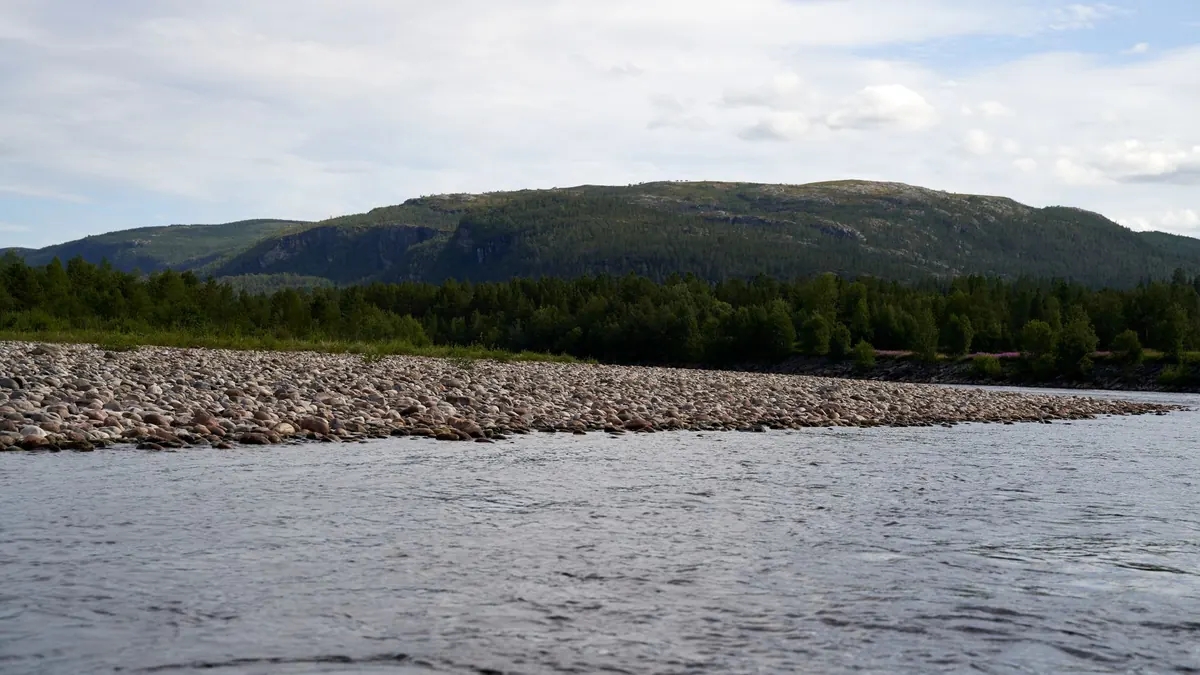
- A shallow gravel bar, sand beach or gentle grass bank
- Visible from well upstream, with an obvious landmark — a bridge, a sign, a particular building
- Parking within a short walk, on legal ground
- No private-property posting, and no fishing-only restriction on the access
Red flags
Steep cut banks, walls of brush, fast water running straight into a bank, or anything that forces you to grab branches to stop. If the exit is awkward, choose a different one. A bad take-out is how a pleasant float turns into a long walk in wet sneakers, or worse, a rescue. And if there's a dam or a chute just downstream of your intended exit, move the exit further upstream and give yourself room for error.
Know What Sits Between the Two Points
Rivers that look lazy from a bridge can hold strainers — downed trees with branches combed into the current — plus bridge pilings, rock gardens and low-head dams. The dangerous ones aren't always obvious from the surface.
Low-head dams deserve special respect. They look like a harmless line of whitewater from upstream and recirculate powerfully below. Don't run one in a tube. Portage around it, or float a different stretch entirely.
If you can, scout the route from the road or check with an outfitter about hazards on that section. Never try to stand up in moving water; float on your back with your feet up and pointed downstream, and let the current carry you to slower water. If anyone in your group has health conditions that could be affected by cold water or exertion, have them check with a doctor before the trip.
Pack for the Float, Not the Beach
Keep it light but not careless: a properly fitted life jacket for everyone, water shoes or old sneakers that stay on your feet, plenty of drinking water, sun protection, a snack, a dry bag for phone and keys, and a bag for your trash. Check local rules before you go — some stretches require life jackets, ban alcohol, or prohibit tubing in certain sections, and enforcement varies by river and by land manager. A quick call to the state park, forest office or county that manages the access settles it.
The Ten-Minute Plan to Write Down
Before you leave the house, put six things in a note: put-in, take-out, river miles, expected float time, emergency contact, and the next public access downstream. That last one matters. It's your contingency plan if someone drifts past the exit — which happens more often than anyone admits. Say the exit landmark out loud to the whole group and point out what it looks like from the water, and agree on a meet time at the take-out car in case you get separated.
Then float. The planning is a half hour of your day; the rest of it belongs to the river.
Photo: Barnabas Davoti / Pexels