A wide, glassy stretch of river with a lazy bend and an easy gravel bar catches your eye every summer. Then you see the sign nailed to a cottonwood: POSTED. The spot is perfect, and it is also apparently off-limits. Whether you can legally float there comes down to a few questions you can actually answer before you inflate a tube — who owns the riverbed, what the rules are for that specific waterway, and where you can legally get in, get out and park. Do that homework once and the same river stays yours for years.
Public Water Isn't the Whole Story
In many states, the public has the right to float navigable waterways. That right usually covers passage on the water itself. It does not automatically mean the banks, gravel bars or riverbed are public. Some states own the beds of navigable rivers and allow public use up to the ordinary high-water mark. Others treat floating as a right of passage but not a right to step out of your tube and walk around.
The word "navigable" is doing a lot of work here. It's defined by state law and, sometimes, by court decisions — not by whether your tube fits down the channel in August. A creek can be floatable in your mind and legally non-navigable on paper. So the first step is figuring out which framework applies where you live. Your state fish and wildlife agency or natural resources department usually publishes a plain-language summary of stream access rules.
Use Public Maps to Trace Ownership
Almost everything you need is free online, and an hour with a laptop beats a conversation with a sheriff's deputy on a gravel bar. Start with your county's GIS or parcel viewer, which often shows property lines against aerial imagery. Then layer in:
- State wildlife agency river access pages, which list designated boat ramps and fishing access sites.
- National forest, BLM, state park and corps of engineers maps for larger rivers.
- Local blueway, greenway and water-trail maps, which are usually built around legal access points.
- State scenic river or wild and scenic designations, which often signal a recognized public float corridor.
Look specifically at where the parcel lines run relative to the river. If ownership is divided down the middle of the channel in some places and follows the bank in others, that inconsistency tells you the legal picture is complicated there — which usually means the safest put-in and take-out are official access sites, not the shoulder of a county road.
Learn to Read Signs, Fences and Paint
A posted sign is a boundary marker, and it means exactly what it says on the land it covers. In some states, purple paint on trees or fence posts carries the same legal weight as a written sign, though the specifics vary by state, so don't guess.
Look for less obvious markers too: gates, cattle guards, fence lines running into the water, cables strung across a channel, and low-water bridge structures. These all indicate private land or a controlled crossing. And read what a sign actually prohibits. A "no parking" sign on a bridge abutment is about parking, not about floating past underneath.
One important nuance: a sign posted by a private landowner doesn't necessarily make floating past it illegal, and it doesn't necessarily make it legal either. It tells you the land is claimed, so stay in the boat and stay off the bank.
Put-Ins and Take-Outs Cause Most of the Trouble
Here's the pattern behind most tubing citations: the float itself wasn't the problem. The parking was, or the walk across someone's hayfield to reach the water, or the tube blown up in a driveway. Enforcement usually follows complaints from landowners, and complaints almost always start at access points.
Bridges are a common trap. Public right-of-way at a bridge typically ends at the fence line, not at the water's edge. Wading down the bank through that strip can be a trespass even if the river under the bridge is public. When in doubt, use a designated access site — a small detour for your shuttle is cheaper than a fine.
If you can only answer "the water's public," you don't have enough information yet. You need to know about the bank, the parking, and the walk in between.
A Pre-Float Access Check
- Confirm the stretch is legally floatable by checking the managing agency's page or calling the office.
- Pin the put-in and take-out on a map and confirm both are public access.
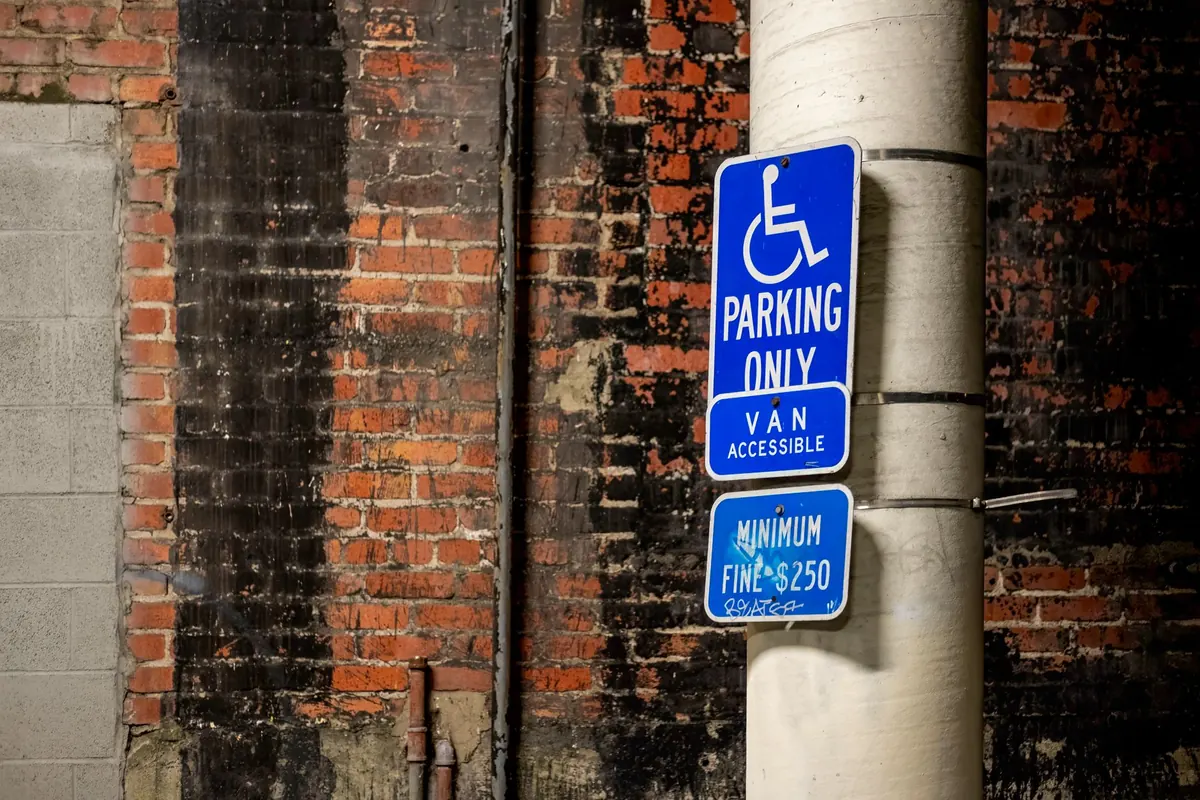
- Check parking rules: fees, hours, permits, overnight restrictions and whether trailers are allowed.
- Note any hazards or portages, and where you're allowed to get out and walk around them.
- Screenshot the map and the access points. Cell signal fades fast in river valleys.
- Save the county sheriff's non-emergency number and the managing agency's contact.
- Plan to pack out everything. Trash on the bank is the fastest way a spot gets closed.
When the Answer Isn't Clear, Ask a Person
Maps have gaps. A phone call fills them. Ask a specific question rather than a general one: "Can I legally float from the Highway 12 bridge to the county park, use the park as a take-out, and park a car there for four hours?" Specific questions get specific answers, and the person on the other end often knows about local arrangements that never make it onto a website.
Good people to call: the state agency that manages the waterway, the county sheriff's non-emergency line, the park office at your take-out, and local liveries or outfitters, who deal with access rules every day. Write down who you talked to and when.
This is general guidance, not legal advice. Access law varies enormously from state to state and sometimes between neighboring counties. If you're planning a commercial trip, dealing with a dispute, or facing a citation, talk to a qualified attorney or the agency that manages the water before you act.
Float Legally, Float Longer
Build yourself a short list of two or three vetted runs you know are legal end to end, complete with parking and a shuttle plan. Then treat those access points like the shared resource they are: park where you're told, keep noise down near houses, close gates, and carry out other people's cans if you have room. The tubers who cause no trouble are the reason small towns keep saying yes to river access.
Recheck the rules at the start of each season. Land changes hands, management plans get updated, and a gravel bar that was fair game last July may be posted this June. Ten minutes of checking before you load the car is what turns a great river day into one you can repeat.
Photo: David McElwee / Pexels